
Is Digital Learning the New Normal for Students?
Is Digital Learning the New Normal for Students?
Written by Vnaya
Let's be real. The past few years have changed everything about how we think about education. Schools shut down, laptops flew off shelves, and parents suddenly found themselves co-teaching fractions at the kitchen table. But what started as a crisis response has slowly grown into something much bigger, a rethinking of how, where, and when students actually learn.
Online vs Offline Learning: The Big Shift
The debate around online vs offline learning is no longer black and white. A few years ago, most people assumed classroom learning was simply "better." Now, the conversation is far more nuanced. Students are discovering that online learning gives them the flexibility they never had before, the ability to pause a lecture, revisit a concept, or study at the time of day when their brain actually works best.
That said, offline learning has things that a screen simply can't replace: a teacher who notices you're confused before you even raise your hand, the energy of a group working through a tough problem together, or just the routine of showing up somewhere every day. Both formats have real value, and the smartest students are starting to blend the two rather than choosing one over the other.
The Real Benefits of Online Tutoring
One of the biggest surprises of the digital learning boom has been just how powerful one-on-one online tutoring has become. The benefits of online tutoring go well beyond convenience. Students who might have been too shy to ask a question in front of thirty classmates are suddenly thriving in private virtual sessions. They can move at their own pace, focus on their specific weak spots, and work with tutors from anywhere in the world, not just whoever happens to live nearby.
For families in smaller towns or rural areas, this has been genuinely life-changing. A student in a small village now has access to the same quality instruction as someone in a big city, as long as they have a decent internet connection. That kind of access wasn't possible even a decade ago.
Traditional vs Online Education: Who Wins?
Framing the traditional vs online education debate as a competition misses the point. Neither is perfect on its own. Traditional education builds social skills, discipline, and a sense of community that's hard to replicate digitally. But it can also be rigid, one-size-fits-all, and disconnected from the real-world tools students will actually use in their careers.
Online education, on the other hand, is incredibly adaptable. It can meet students where they are literally and figuratively. But without structure, some students drift, lose motivation, or fall through the cracks without anyone noticing. The answer, for most educators and parents, is a thoughtful blend of both.
Finding the Best Learning Methods
Here's the honest truth: the best learning methods aren't the same for every student. Some kids thrive with video lessons and interactive quizzes. Others need a human face across a desk, firm deadlines, and a hand on their shoulder when they're struggling. The most exciting development in education right now isn't any single platform or tool; it's the growing acceptance that learning can look different for different people, and that's okay.
Adaptive learning software is getting smarter. Teachers are getting better at using data to identify struggling students early. And students themselves are becoming more self-aware about how they learn best, which is a skill that will serve them long after school is over.
Making the Most of Online Classes for Students
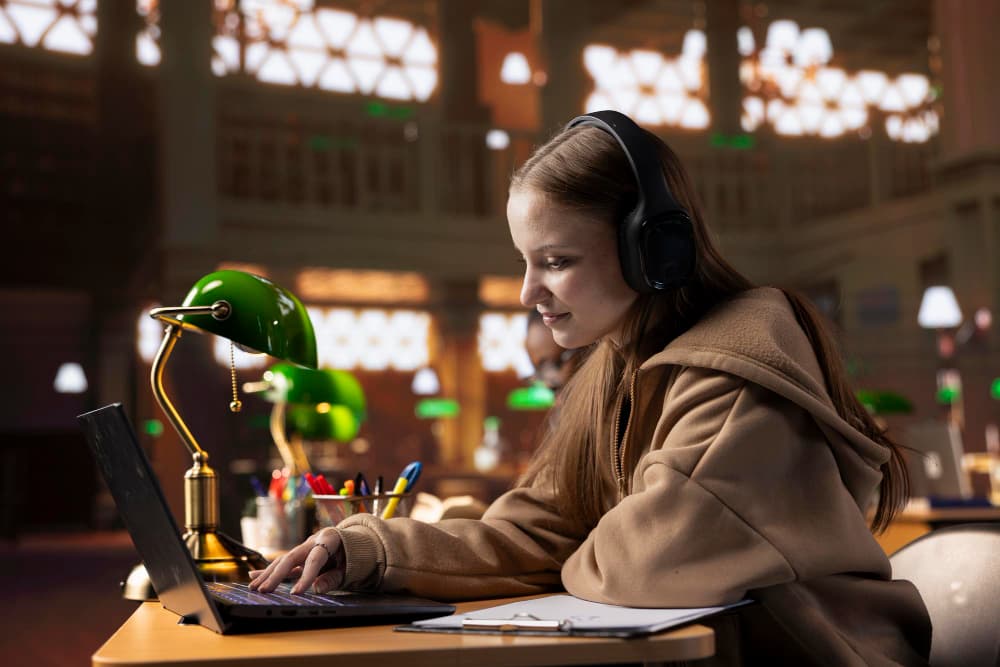
If you're a student navigating online classes, a few things make a real difference. Creating a dedicated study space (even just a corner of a room) signals to your brain that it's time to focus. Breaking lessons into shorter sessions beats marathon screen time every single time. And reaching out to teachers or tutors when you're lost, rather than hoping the confusion will sort itself out, is more important online than it ever was in a classroom.
For parents, the shift means being a bit more involved in the learning environment at home, not necessarily as a teacher, but as someone who creates the conditions for focus and consistency.
So, Is Digital Learning Here to Stay?
All signs point to yes. But "here to stay" doesn't mean "replacing everything else." The future of education looks more like a smart combination: classrooms that use technology well, online programs that build real community, and tutoring that's personal and effective, regardless of whether it happens over a screen or a table.
Digital learning isn't the end of school as we know it. It's the beginning of something more flexible, more personal, and, when done right, more effective. The students who will do best in this new landscape are the ones who learn how to learn, no matter what the format looks like.